Garb Layers: An Illustrated Guide

Recently one of my favorite fellow LARPers asked me how I gather the elements of my garb kit, especially where layers are involved. I didn’t really have an answer for them in the moment, but after thinking about how I’ve put together some of my favorite garb sets, I started to realize that I do have some basic principles and elements that I use. This guide may not be for everyone, but it works for me! If you like my style, try it out and see what it can do for you.
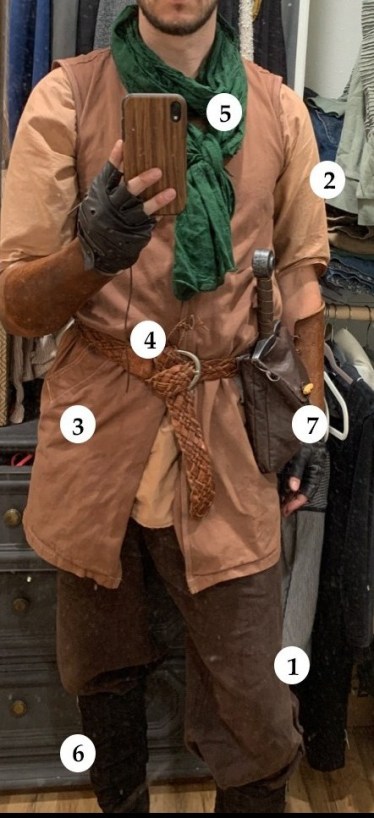

Garb Layers Numbered

1. Pants

For obvious reasons, these are simply a must. I recommend dark brown pants, but black, khaki and other subdued colors work well depending on the rest of your outfit’s color palette. Find a drawstring lounge pant in the most heavy-duty but breathable fabric you can find — and as always, save money by checking the thrift store first!

2. Neutral Base Layer

This will be the canvas on which you paint the rest of your outfit, so keep it simple and unobtrusive. I recommend white, natural/beige, light tan or khaki, grey, or simply a lighter shade of your primary or signature colors (more in a sec). It should be the most form fitting of your upper pieces, and should also have the longest sleeve.

3. Primary Color Outer Layer

Next comes your most visible article of clothing. It can be a tunic with a shorter sleeve, a tabard or surcoat, or a vest or jerkin. This should fit comfortably over your base layer without bunching or squeezing everything underneath. Make it a bolder color than your base layer, but not flashy. We’re still building to the climax of your kit.

4. Belt

Up to this point, we could be describing pajamas. The one essential item that makes it indisputably a LARP garb kit is a period-looking leather belt. You can almost always find these at your local thrift store – it should be worn from use and if possible, a good bit longer than your waist actually requires. I find that a braided or woven belt adds an extra bit of visually interesting detail that helps put the whole kit over the top.

5. Signature Color Flair

This is where we go from basic to a serious, well-put-together kit. This item will be the color people associate with you, and the centerpiece of your garb kit. It should be the boldest and flashiest of the colors in your kit, but as a balance, it should also be a relatively small part. Think of a hood or mantle, a cape or cloak that stays mostly back, or a long loose vest worn open. Mine is usually a thin green scarf that gathers loosely around my neck and hangs down my chest.

6. Boots

There’s a lot of wiggle room here, because your footwear won’t generally be the most visible part of your kit. But if you feel like it and have the opportunity, a pair of boots in brown or black will go a long way to help your kit look fly. Look for a used pair of military boots for a rugged utility look with a lot of function, or a pair of fashion suede boots in the women’s section of your thrift store for a more period look — just be aware that finding larger sizes might take a little luck and patience. And most importantly, make sure if you’re fighting in them, they have a sturdy, non-slippery flat sole!

7. Other Accessories

Add more stuff! Gloves, belt pouches, jewelry, sashes around the waist, bracers…go nuts! A few tips though: try to keep any leather accents in a similar color as your belt and boots, and don’t upstage the signature color flair piece.


That’s it! Now that you know the basic elements and a structure for how to put them together, try experimenting. What colors work together for your character? How many different textures and patterns can you incorporate without looking like a clown? Can you add or remove layers as the weather dictates, or change the order for a new look? Go nuts!
Shoot Your Friends (without killing them!)

Hey gang! A few weeks ago I taught a small workshop on how to build safe foam arrows for use in Amtgard.

Materials

– Gamma practice tennis balls or foam stress balls, 2.5 inch diameter

– Plank foam (1 inch thick) or puzzle mat (.5 inch thick)

– Pool noodle, 2.5 inch diameter

– Pennies

– ½ inch CPVC pipe

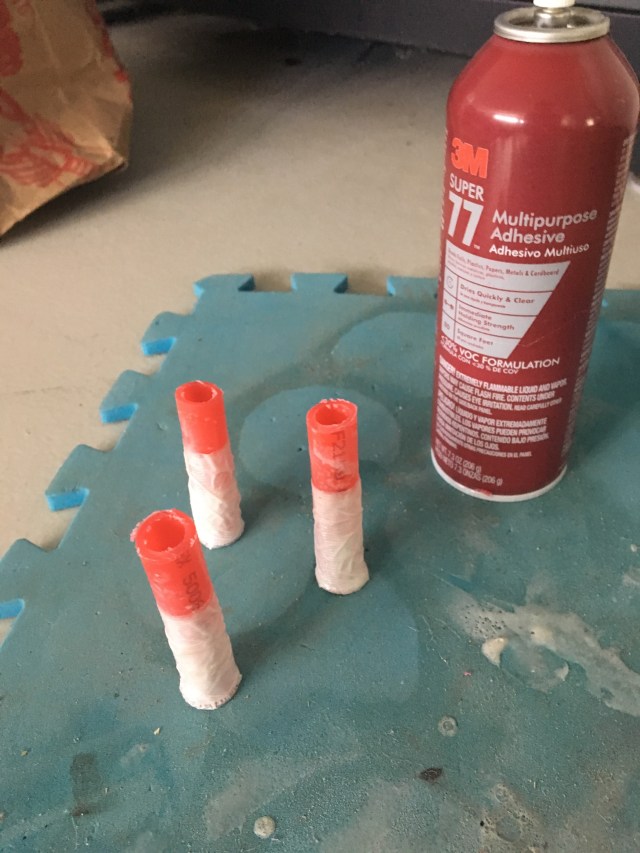
– Super 77 spray adhesive

– Heavy-duty double-sided carpet tape

– Clear shipping tape

– Electrical tape

– Cloth athletic tape

– Fabric of your choice (rip-stop nylon is awesome)

– Carbon, graphite or fiberglass arrow shafts, heads completely removed.

Tools

– Sharp serrated knife

– Scissors

– Hand hobby saw

– Sharpie

Instructions

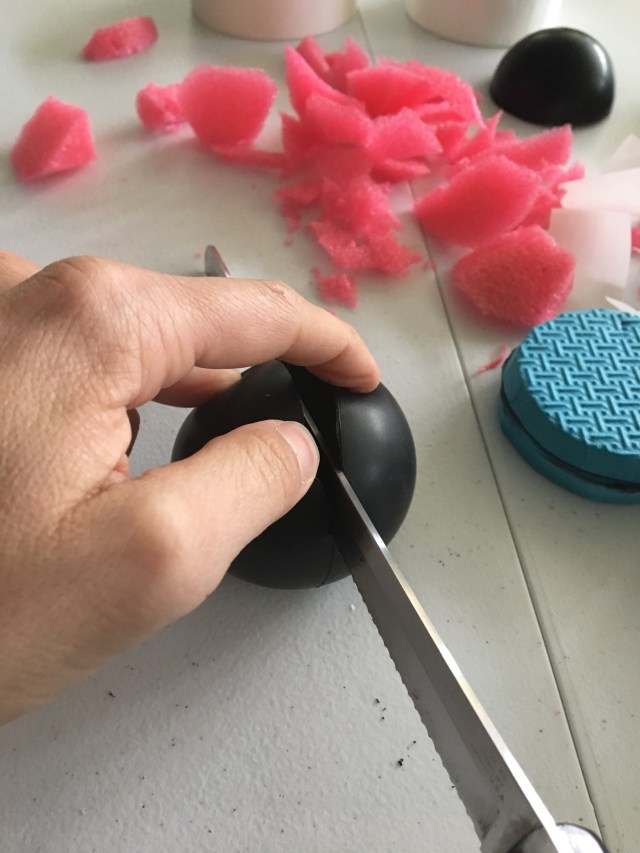
1. Using the knife, cut your ball in half. Most will have a seam through the middle of the ball — use that as a guide.
2. Place the half ball face down on the flat foam and trace around it to draw a circle the same size as the ball. Cut out the circle. You’ll need one per arrowhead if using 1 inch plank foam. If using .5 inch puzzle mat foam, you’ll need two per head — use the spray adhesive to glue them together, putting weight on them to bond them firmly. The result should be a 1-inch thick foam disc for each arrow you want to make.

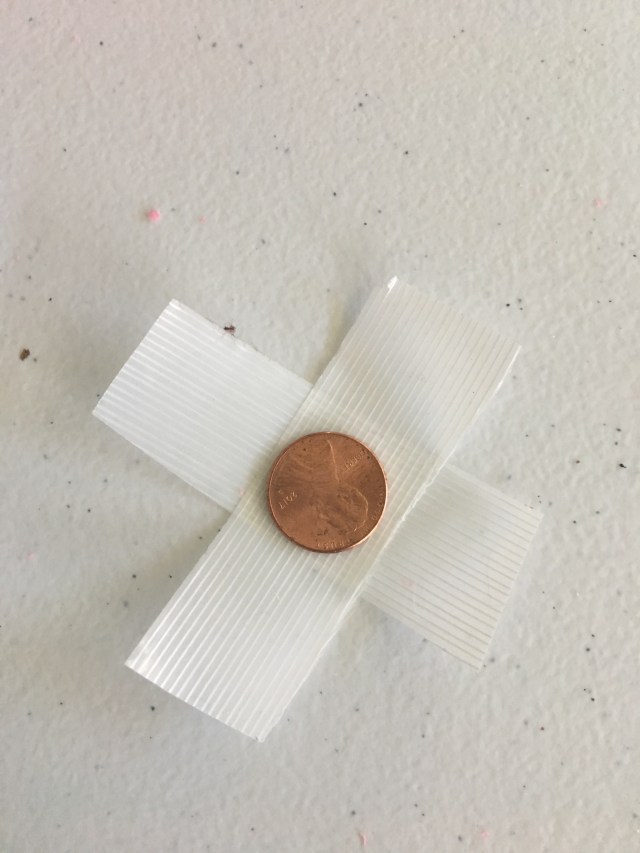
3. Using the Sharpie and saw, mark and cut a 2.5-inch piece of pipe. Pull a 2-inch strip of shipping tape and cut it in half along its length, laying the strips sticky-side up. Place a penny in the middle of one strip and cap one end of the pipe with the penny, strapping the tape down to secure it. Cross the other strip of tape down over the penny, perpendicular to the first strip. Then take one more strip of tape and wrap it tightly around the end of the pipe below the penny several times, securing the penny and the tape holding it down. .

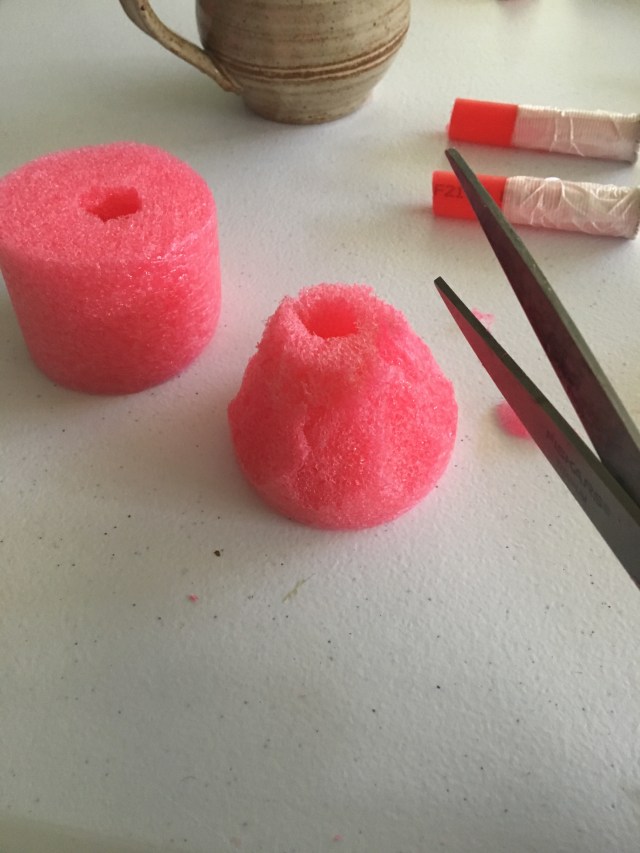
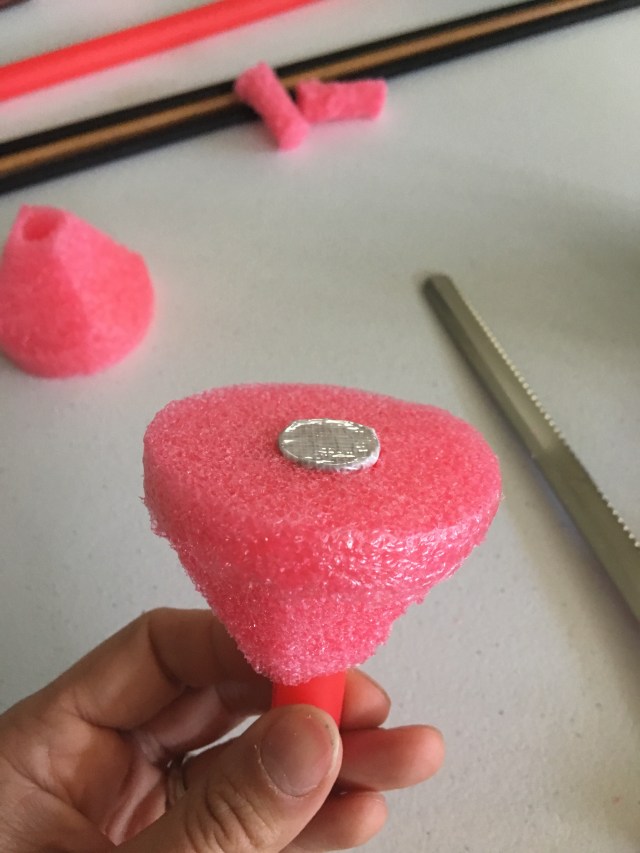
4. Spray a coat of adhesive around the pipe attached to the penny and set it aside to cure for a few moments. Meanwhile, cut a 2-inch length of pool noodle, using the scissors or knife to trim it into a cone shape with one flat end. When the adhesive on the pipe is tacky, slide the pipe into the pool noodle from the flat end of the cone until the penny lies flat against the foam. Squeeze the cone gently until the foam bonds to the pipe. .

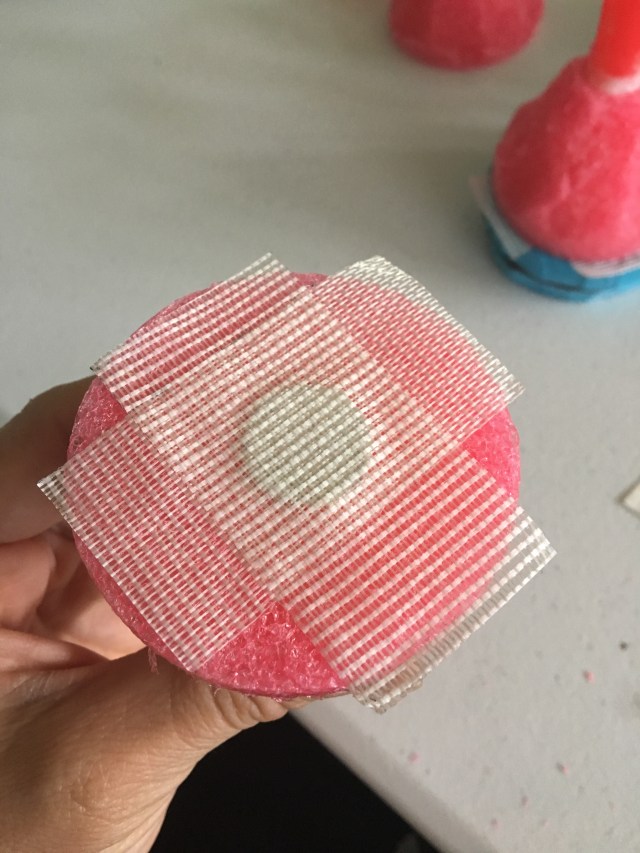
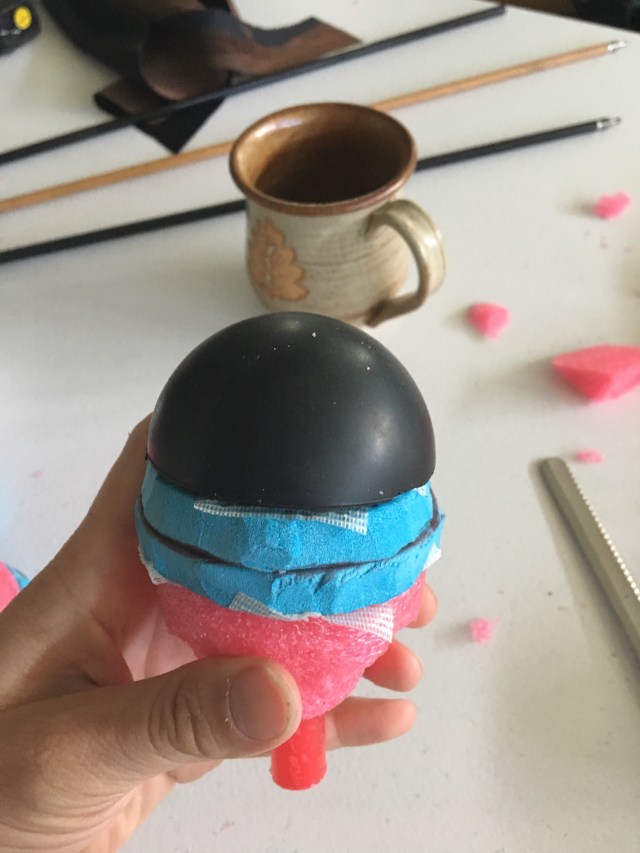
5. Cut two 2.5 inch strips of double-sided tape and lay them in an X shape across the flat surface of the cone and the penny. Press a foam disc firmly onto the tape. .

6. Make another X of double-sided tape and apply it on top of the foam disc. Take one of the foam ball halves and press it firmly onto the tape. .

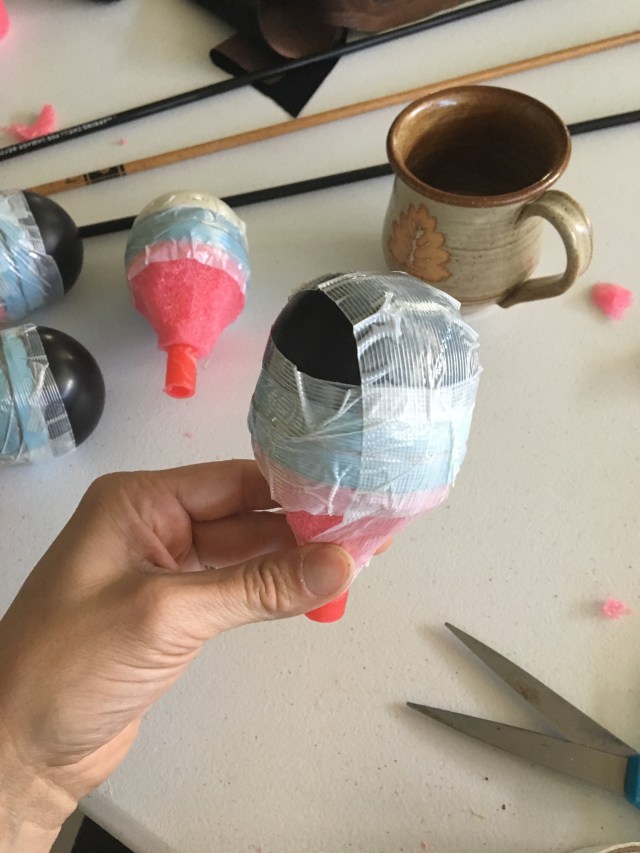
7. Wrap a strip of shipping tape firmly around the middle of the arrowhead, making sure the tape is affixed to the foam cone, the foam disc, and the half ball.

8. Cut a strip of shipping tape long enough to reach from the base of the cone, over the half ball, and back down along the opposite side of the cone. Press the tape down and secure the ends just onto the exposed end of the pipe. Repeat this two more times, so that the three strips of tape slightly overlap each other, covering the entire arrowhead assembly and pressing the tape tightly around the base of the cone. .

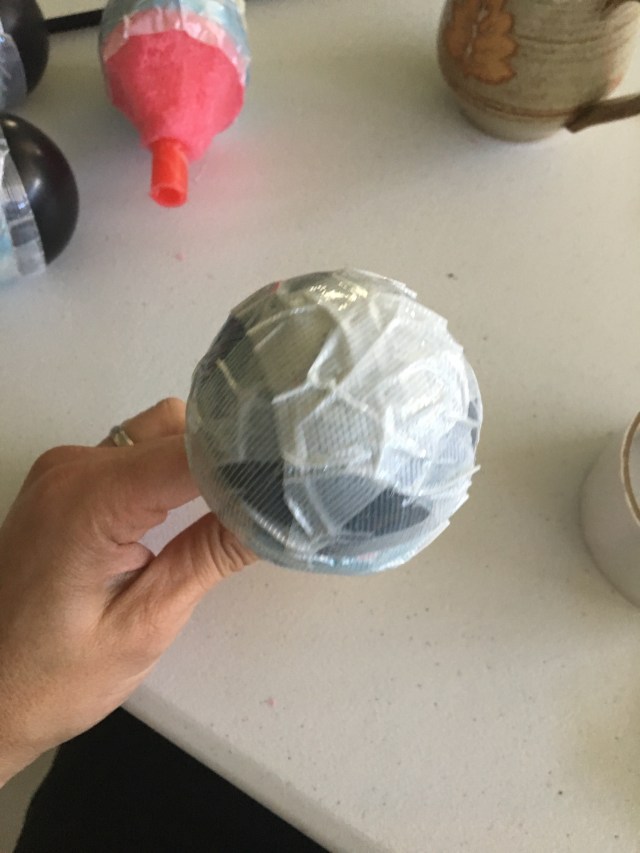
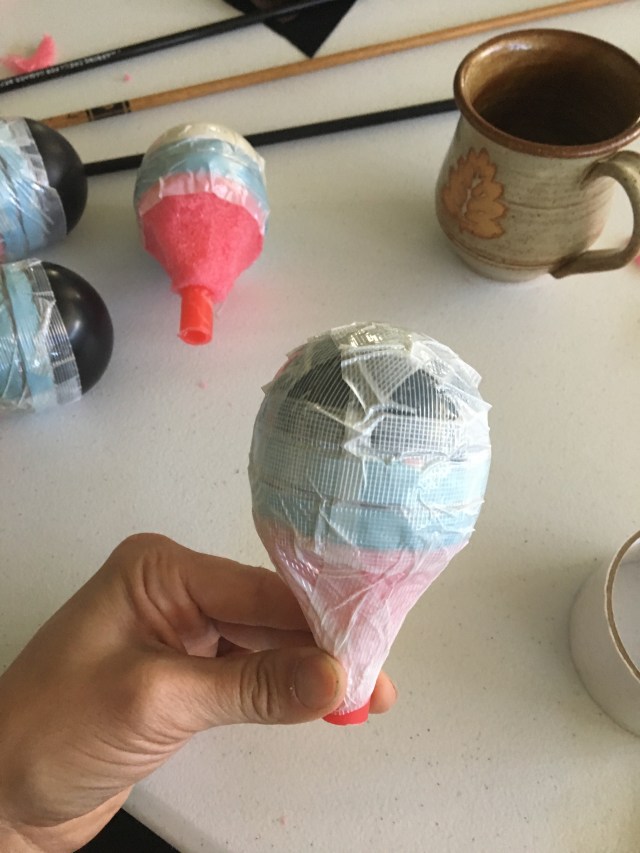
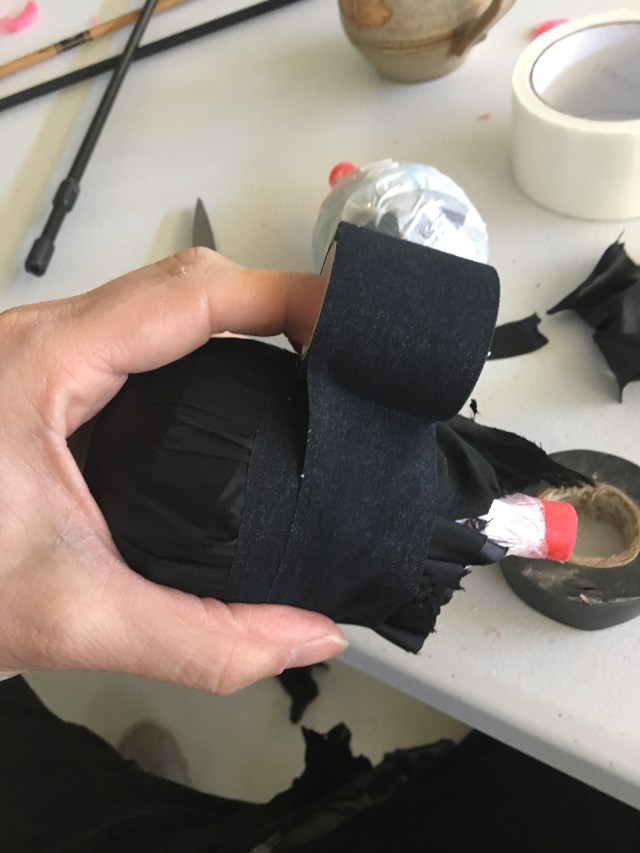
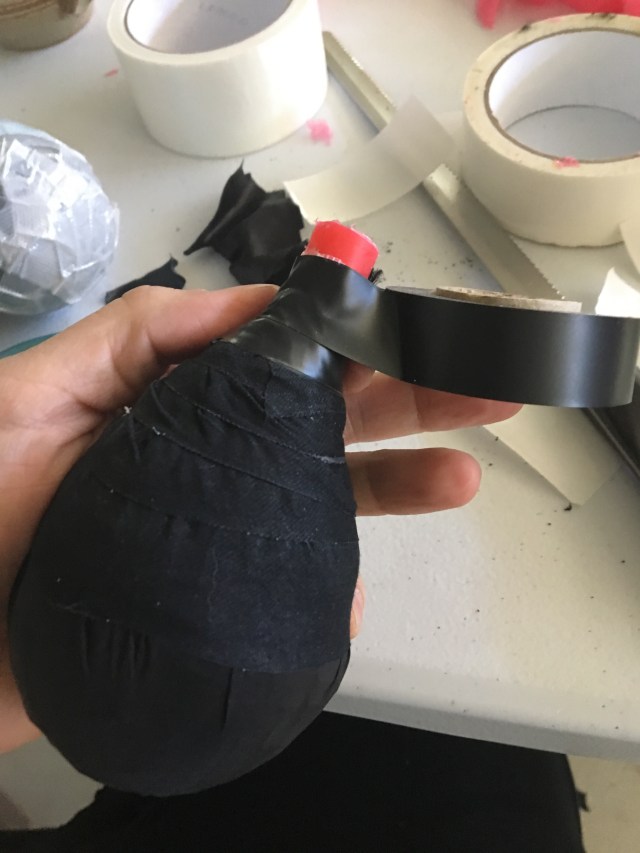
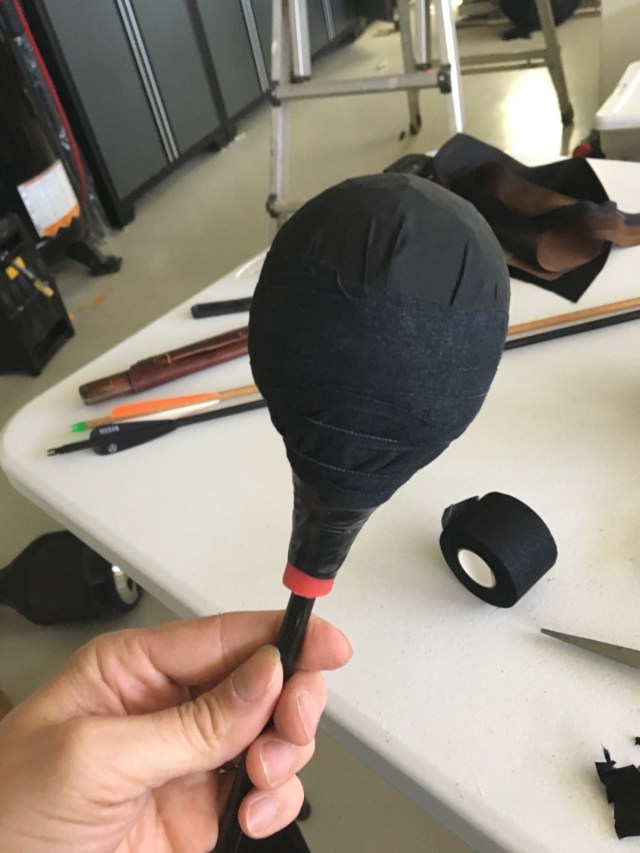
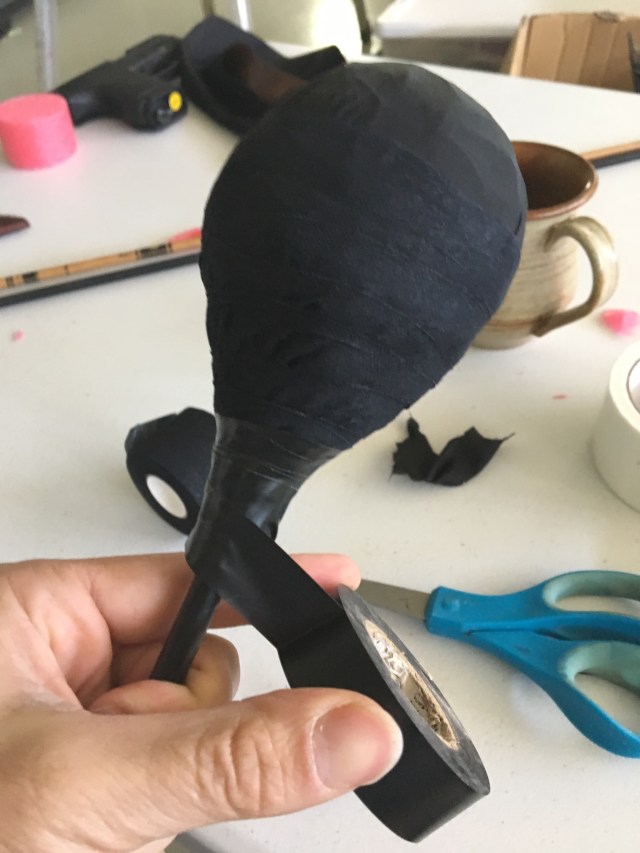
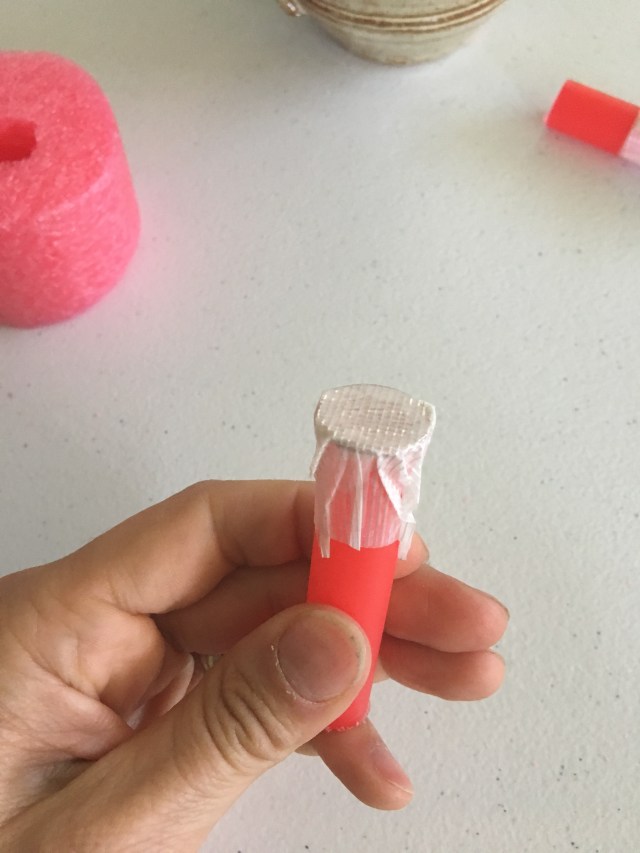
9. Stretch a piece of the fabric down over the round tip of the arrowhead, trimming the edges at the point where the disc meets the cone. Secure the fabric all the way around with athletic tape, tucking in any loose flaps or corners, and then continue wrapping the athletic tape all the way down to the base of the cone. Secure the end of the athletic tape to the exposed tip of pipe by tightly wrapping several layers of electrical tape. .

10. The pipe will be loose on the arrow shaft. Wrap two strips of electrical tape around the shaft, one at the very end and one about an inch further down, until the two strips form rings around the shaft that just fit snugly inside the pipe of the arrowhead. Secure the arrowhead by tightly wrapping electrical tape over the joint between the pipe and the shaft, wrapping one piece of tape in one direction and then another in the opposite direction.

I recommend making the first few one at a time to make sure you’ve got the technique down, but after that work in batches to maximize your time and efficiency. Enjoy your new bouquet of arrows!

Thrift Store Field Trip

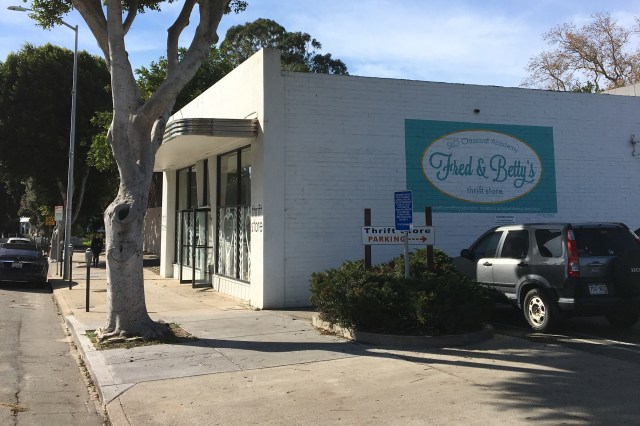
Last weekend a few of my fellow Amtgarders joined me for a field trip to two of my favorite local shops, Fred & Betty’s and Hope Chest, where I walked them through my process of finding garb-able goods at low low prices. Check out what we found!

img_5924
My main thrift store squeeze, Fred & Betty’s in downtown San Luis Obispo.
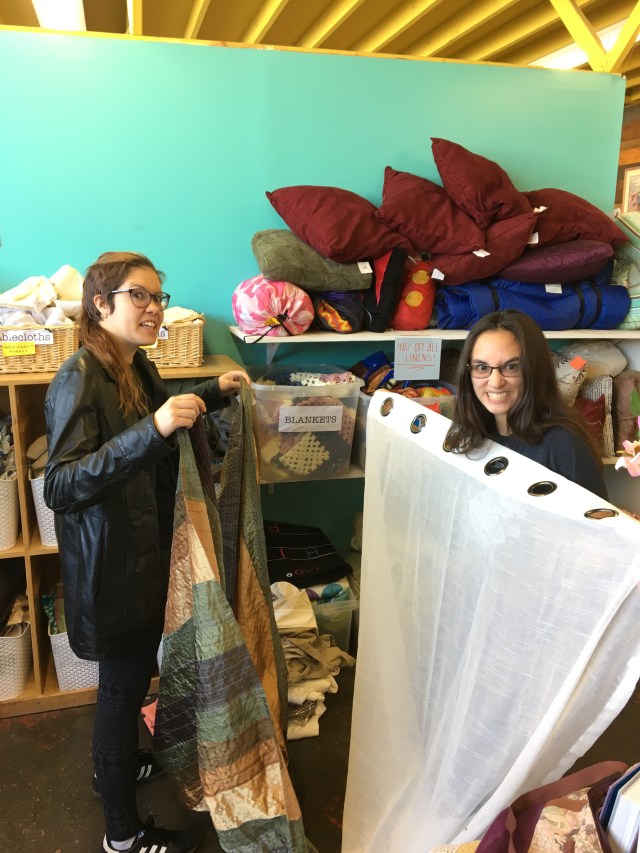
img_5921
Homies LimnOlogy and Arya Aelix at the Hope Chest, also in downtown SLO.
At Hope Chest, Arya found some awesome ties? Not sure if these are for garb or if she just really, really, REALLY likes ties.
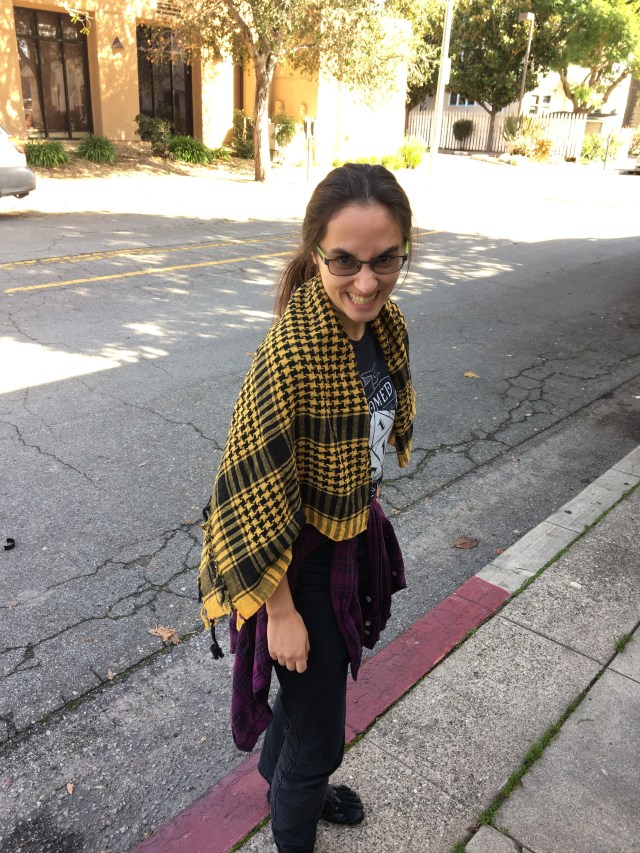
img_5917
At Hope Chest we found a shawl in house colors for Limn, my fellow Hufflepuff. Since we’re in the middle of a Hogwarts-themed reign at the park, she rocked this piece on the field the following week and looked so fly I thought she was playing Quidditch.
Interesting fabric at Fred & Betty’s — maybe a future very flashy/very see-through tunic? At the shop, we talked about how both Arya and Limn are still in search of their characters’ personal aesthetic. Maybe these will fit! BTW both of these ladies have their photo face game down solid.
A miniature kid-friendly sewing machine at Fred & Betty’s! My mini LARPer Finnigan really wanted it, but we already have an adequate machine at home, so I left this treasure for another new garber to find.
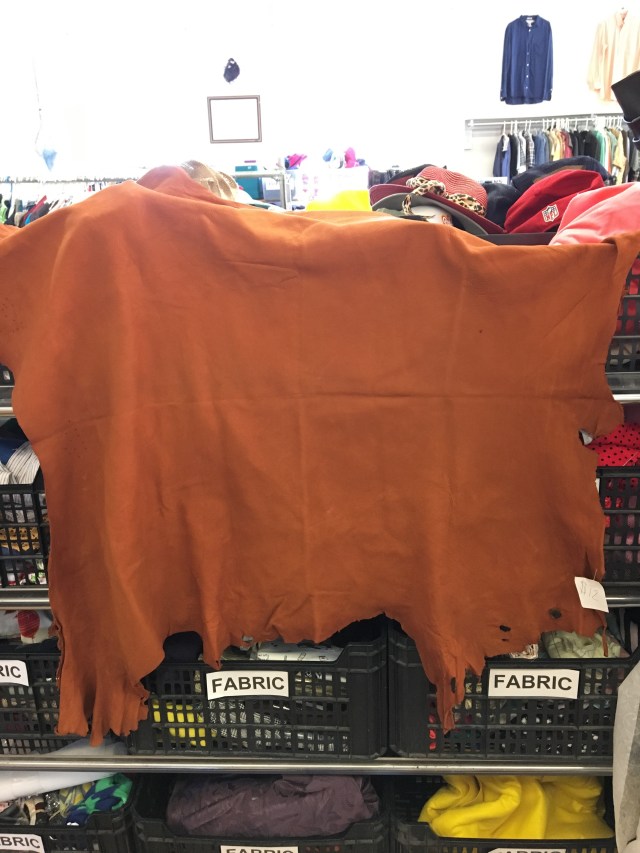
The find of the day at Fred & Betty’s! A big side of soft, supple leather for $12!!! I took this one and Arya took an even bigger one for just $18. Not sure what I’m going to do with this, but it may become a very handsome set of Norse-style turnshoes.

Thrifting Tips with Stagwood

33046829_2122230541123677_8803657155400957952_n
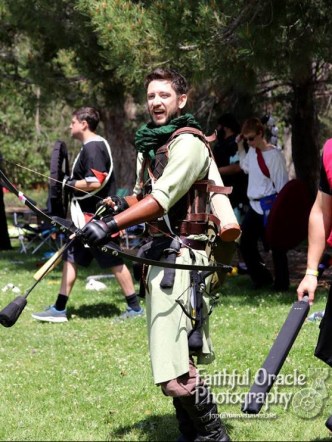
How many items in Stagwood’s kit above came from a thrift store? The answer is at the bottom of the post. Photo by Sarah Worley.

This week I’m leading my group, the Barony of the Seven Sleeping Dragons, on a field trip to a few local secondhand stores. The plan is to show them how to thrift shop with LARP garb in mind. Here’s a list of tips I’ve come up with to help guide the budget-conscious garber through a thrift store experience.

BE PATIENT! You will ABSOLUTELY NOT find something you can use every time out to the thrift shop. The inventory is random and always changing, so some days it will be good and some days it will be empty. The key is patience and persistence.

Dress for the changing room. Wear clothes that are easy to get in and out of — T shirts, zip-up hoodies, slip on shoes. Easy-access outfits will make trying things on way easier.

Money stuff. My average thrift store haul usually runs me between $10 and $20, but occasionally you’ll find something really cool that could cost up to $30 or $40. Expect great deals, but be prepared. I highly recommend bringing cash, because some shops don’t accept cards or have a minimum debit/credit limit. Got a student or military ID? Bring it — most thrift stores offer discounts to help you save even more money.

Keep in mind your character’s personal aesthetic. Does your character gravitate toward certain colors? Is your character humble and earthy? Noble and refined? Simple and straightforward? Flourishy and flurby? All these factors will play a role in what kinds of items you’ll want to watch for.

Be prepared to do some work beyond the register. It’s very rare that you’ll come out of the thrift store with anything garb-ready. What you’re looking for is raw materials that you can repurpose into garb. Think creatively about how you can transform a modern garment into garb by cutting, sewing, or adding antique flourishes. Or watch out for linens, curtains and tablecloths that you can use as fabric to make your garb from scratch.

Go big — literally. Fantasy/medieval garb tends to be a little longer, baggier and flowier than modern clothes. Go a couple of sizes up from what you usually wear and you can turn a modern polo or Henley into a tunic with minimal effort.

Accessorize! Lots of people think that if they’ve got a tunic on, they’ve checked the garb box. You can do better. Elevate your kit with accessories like interesting belts, shawls, scarves, boots, wraps, shrugs and gloves. Imagine what your character would add to an outfit just because he or she likes it. Details make the difference between the bare minimum and truly outstanding garb.

Keep an open mind. Sometimes the best finds are the ones you didn’t set out to find. Look for what you want, but keep an eye out for something unexpected. And don’t be afraid to shop outside “your” section. Good, useful stuff can be found in all areas of a thrift store, no matter your gender, age or interests.

Think beyond garb. Thrift stores don’t just have clothes. Watch out for items that could become weapons, shields, safety gear, garb accessories, feast and event gear, and more.

BE PATIENT! I’m repeating the most important part. Don’t feel you need to buy SOMETHING just so that the shopping trip isn’t a waste. Always be prepared to pack it in and try again another day.

Answer from photo: 8 — tunic fabric (tablecloth), scarf, belt, pants (women’s drawstring lounge pants), boots, quiver strap (old leather belt), quiver fabric cover (linen scraps), crossbow bolt pouch (Army Navy surplus utility bag)